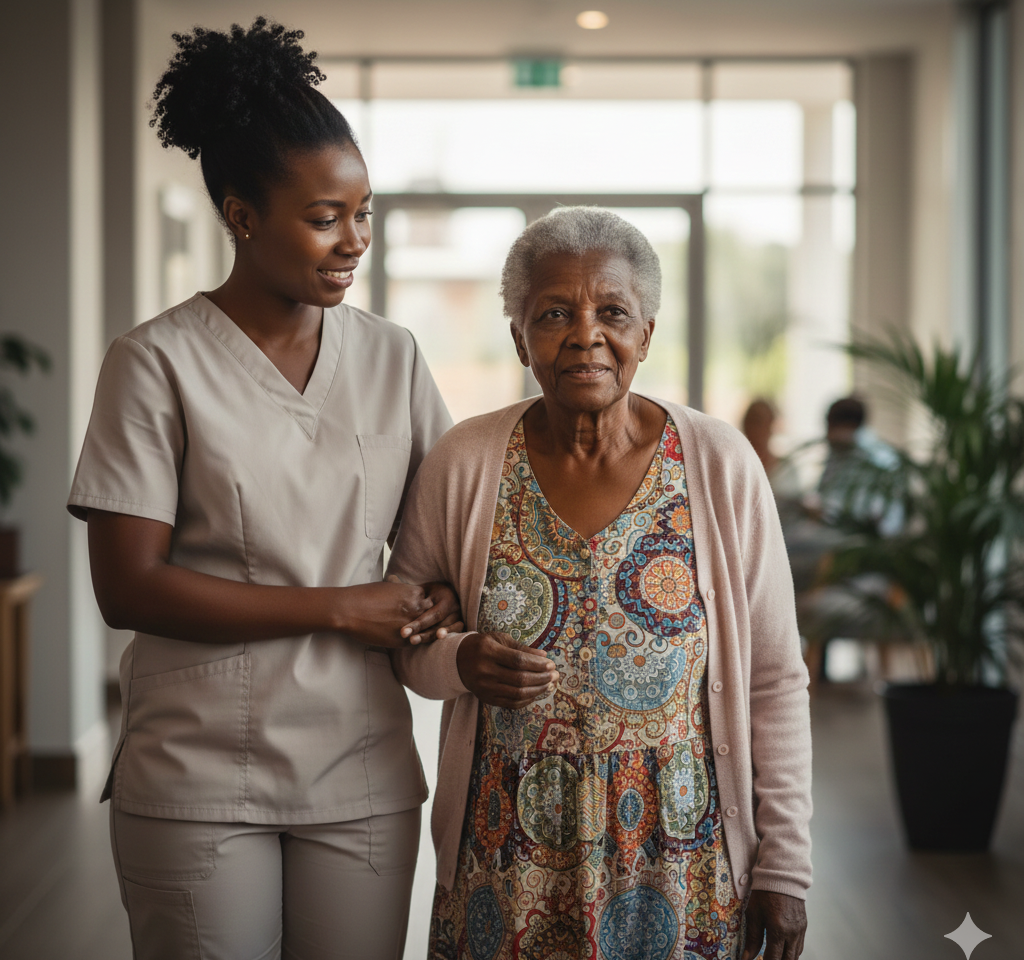
Supporting Loved Ones to Live Well
Caring for an aging loved one is a journey filled with important decisions, emotions, and responsibilities. As people grow older, their needs often change — physically, emotionally, and socially. Understanding these needs is the first step toward ensuring seniors live with dignity, comfort, and peace of mind.
Understanding When Care Is Needed
Many families struggle with knowing when it’s time to seek additional support. Signs may include difficulty with daily activities, increased forgetfulness, mobility challenges, or feelings of isolation. These changes are a natural part of aging, but they don’t mean a person must lose independence or quality of life.
Senior care facilities are designed to provide assistance while still encouraging autonomy. The goal is not to take over, but to support seniors in ways that allow them to live well and safely.
The Importance of a Safe and Supportive Environment
A secure and calm environment plays a vital role in senior wellbeing. Facilities with 24/7 security and attentive staff offer reassurance not only to residents, but also to their families. Knowing that someone is always available in case of an emergency helps reduce anxiety and promotes confidence in daily living.
Beyond safety, a welcoming environment encourages social interaction, routine, and emotional stability — all of which contribute to healthy aging.
Health Support That Makes a Difference
As people age, regular health monitoring becomes increasingly important. Access to monthly doctor visits helps ensure that medical conditions are managed early and effectively. These routine check-ins allow caregivers to adjust care plans and respond to changing health needs.
Physiotherapy is another valuable part of senior care. Gentle movement, balance exercises, and strength-building activities can improve mobility, reduce the risk of falls, and help seniors remain active for longer. Even small improvements can make a meaningful difference in daily comfort and independence.
Nutrition and Wellbeing
A balanced diet is essential at every stage of life, but especially in later years. Nutritious meals support energy levels, immune health, and overall wellbeing. Senior care facilities that provide thoughtfully planned meals help ensure residents receive the nourishment they need while accommodating dietary requirements.
Shared mealtimes also offer an opportunity for connection, routine, and enjoyment — important elements of emotional health.
Emotional Care and Human Connection
One of the most overlooked aspects of senior care is emotional wellbeing. Aging can sometimes bring feelings of loneliness or loss. Compassionate care, friendly interactions, and a sense of community help seniors feel valued and understood.
Whether someone is seeking care for themselves, a parent, or a partner, knowing that emotional needs are recognised is just as important as physical support.
Choosing the Right Care Option
Every family’s situation is unique. The right care solution is one that balances professional support with respect, dignity, and personal choice. Taking the time to ask questions, visit facilities, and understand available services can make the decision process easier and more confident.
Senior care is not just about assistance — it’s about creating an environment where older adults can continue to live meaningful, comfortable lives.